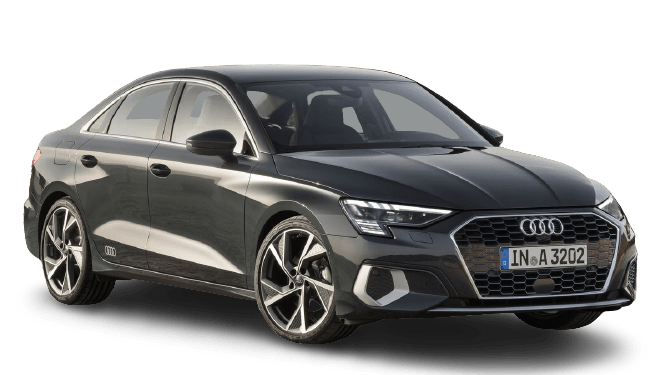
Audi new model 2022
=============================

Original Content:
Encyclopedia Britannica

automobile
Alternative-fuel vehicles
Diesel
After World War II the diesel engine, particularly for light trucks and taxis, became popular in Europe because of its superior fuel economy and various tax incentives. During the 1970s General Motors converted some gasoline passenger-car engines to the more economical compression-ignition diesel operation, and Mercedes-Benz, Volkswagen, and Peugeot marketed diesel lines in America that derived from their European models. The ebbing of fuel shortages and the easing of gasoline prices, combined with various drawbacks to diesel engines (noise, poor cold-weather starting, limited fuel and service in some communities), reduced American demand by the early 1980s. Europe, which had not embraced diesels for private passenger cars, reversed course with the development of environmentally friendly common rail direct-injection diesel engines in the late 1990s. By 2005 diesel cars represented roughly half of all European passenger car sales.

Electric
Know about the impacts of electric vehicles on the electrical power grid and the environment, also ways to cope with it
Know about the impacts of electric vehicles on the electrical power grid and the environment, also ways to cope with it
Learn about the environmental implications of the increased load on the electrical power grid that would result from widespread use of electric vehicles.
© University of Melbourne, Victoria, Australia (A Britannica Publishing Partner)
See all videos for this article
The first of the fuel crises, in 1973–74, rekindled interest in electric vehicles in America. Numerous experimenters and entrepreneurs began work on battery electric cars, the most successful being the CitiCar built by a Florida company, Sebring Vanguard, Inc. The CitiCar had a plastic, wedge-shaped, two-seater body over a welded aluminum chassis. Lead-acid batteries supplied power to a 3.5-horsepower General Electric motor. With about 2,600 built between 1974 and 1976 (and another 2,000 of its successor, the ComutaCar, built between 1978 and 1981), the CitiCar was the most prolific of the late-20th-century electrics. Ultimately, the falling price of oil put an end to electric car sales.

Subsequent alternative propulsion programs were driven by environmental concerns. In 1990 the California Air Resources Board mandated that within eight years all auto manufacturers were to ensure that 2 percent of their sales in the state be “zero emission� vehicles. For all practical purposes this meant battery electrics. General Motors took this edict most seriously, beginning work on an aluminum backbone frame, composite plastic body, and low-rolling-resistance tires. Introduced in 1996 as the General Motors EV1, it was offered on lease through Saturn dealers in Arizona and California. Only 800 were contracted for, and production halted in 2000, with 100 remaining in service through 2005. In 1998–99 General Motors and Ford also offered battery electric pickup trucks, most of which were placed with government fleets. The shortcoming of all these battery electrics was their limited range—less than 100 miles with lead-acid batteries. More capable nickel–metal hydride cells were inordinately expensive. (See also battery.) The faltering efforts resulted in relaxation of the California mandate.

Toyota New model

Nissan Leaf
Nissan Leaf
Leaf, Nissan Motor Co.'s zero-emission electric vehicle, 2009.
Kiyoshi Ota/Getty Images
Electric-gasoline hybrids
In 1997 Toyota introduced its four-passenger Prius hybrid to the Japanese market. Combining a small gasoline engine and an electric motor through a sophisticated control system, the Prius uses gasoline power only when necessary to supplement electric propulsion or to recharge its batteries. (That same year in Europe, the hybrid Audi Duo was introduced, but its poor sales led European manufacturers to focus on diesel designs.) Honda was the first manufacturer to offer a hybrid in the American market, the two-passenger Insight in December 1999. In order to establish hybrid technology in the American marketplace, Toyota initially offered substantial discounts on the Prius when it introduced it to the United States in 2000; the U.S. and some state governments also offered tax incentives and other perquisites (such as unlimited use of commuter lanes and exemption from paying parking meters) to encourage production and sales of alternative-fuel vehicles. Although the Prius offered only a relatively modest increase in fuel economy, the removal of any need to plug the batteries in for recharging overcame the chief drawback to pure electric vehicles. The Prius was an immediate hit with trend-conscious Californians, with many celebrities choosing to drive hybrids instead of luxury cars, and prospective buyers often had to wait months for delivery. In 2004 the Ford Escape Hybrid (SUV) became the first American hybrid, beating two General Motors trucks, the Chevrolet Silverado and the GMC Sierra, to market by one year. The first luxury hybrid vehicle, the Lexus RX 400h, was released in 2005. In 2010 General Motors introduced the Chevrolet Volt, a car that could drive up to about 35 miles on electric batteries and would then drive using a gasoline engine after the battery was exhausted. Beginning in 2003, Tesla had some success with all-electric cars, however.

2006 Toyota Prius
2006 Toyota Prius
In 1997 Toyota introduced the Prius, an electric-gasoline hybrid vehicle.
Toyota Motor Sales, USA
Ethanol and fuel cells

In 1999 Brazil mandated that by 2003 all new cars sold in the country had to be FlexFuel vehicles (FFVs)—vehicles certified to run on gasoline containing up to 85 percent ethanol (ethyl alcohol), marketed as E85. This initiative led numerous American, European, and Japanese manufacturers to certify some of their models as E85-compliant, which is indicated by the eighth character in the vehicle identification number, or VIN.

General Motors, Ford, and Chrysler primarily have concentrated on fuel cell development, assisted by U.S. government grants. However, usable technology for the general public is still years away.

Ken W. Purdy
Christopher G. Foster
BMW
Home
Politics, Law & Government
Banking & Business
BMW
German automaker
Alternate titles: BMW AG

By The Editors of Encyclopaedia Britannica • Edit History
BMW, in full Bayerische Motoren Werke AG, German automaker noted for quality sports sedans and motorcycles. Headquarters are in Munich.


BMW headquarters
BMW headquarters
See all media
Date: 1929 - present
Headquarters: Munich
Areas Of Involvement: automobile automotive industry motorcycle manufacturing
It originated in 1916 as Bayerische Flugzeug-Werke, a builder of aircraft engines, but assumed the name Bayerische Motoren Werke in July 1917 and began producing motorcycles in the 1920s. BMW entered the automobile business in 1928. The company’s R32 motorcycle set a world speed record that was not broken until 1937. During World War II BMW built the world’s first jet airplane engines, used by the Luftwaffe, Germany’s air force. After the war the company tried to move into the small-car market but found that it could not compete effectively against Volkswagen’s compact, inexpensive autos. By 1959 the company was on the verge of bankruptcy, and its managers were planning to sell the firm to Daimler-Benz.

In that year, however, BMW pulled out of its financial slump; German entrepreneur Herbert Quandt acquired a controlling interest in the firm, and BMW introduced its 700 series, soon followed by the equally successful 1500 model. At about the same time, the company introduced a new series of motorcycles that were particularly popular in the United States.

BMW was firmly established as a premium automobile brand by the end of the 20th century. In a failed attempt to gain market share as a sport-utility vehicle company, BMW purchased the Rover Group in 1994 but lost roughly $4 billion before selling the Land Rover brand to Ford in 2000. BMW saw great success with the relaunch of the British MINI in 2001, however, and another British brand, Rolls-Royce, became part of BMW in 2003. Members of the Quandt family continued to hold a significant stake in the company.

The Editors of Encyclopaedia Britannica
This article was most recently revised and updated by Amy Tikkanen.

Rewritten Content:
Encyclopedia Britannica

vehicle
alternative-gas vehicles
Diesel
After global struggle II the diesel engine, specially for mild vehicles and taxis, have become popular in Europe because of its superior gas economic system and numerous tax incentives. throughout the Seventies popular motors converted some gas passenger-car engines to the more good value compression-ignition diesel operation, and Mercedes-Benz, Volkswagen, and Peugeot advertised diesel traces in the usa that derived from their ecu fashions. The ebbing of gas shortages and the easing of gasoline fees, mixed with diverse drawbacks to diesel engines (noise, bad cold-weather beginning, confined fuel and carrier in a few groups), decreased American demand with the aid of the early 1980s. Europe, which had now not embraced diesels for personal passenger automobiles, reversed route with the development of environmentally friendly commonplace rail direct-injection diesel engines in the overdue 1990s. by using 2005 diesel motors represented more or less half of all european passenger automobile income.

electric
understand about the influences of electrical motors on the electrical power grid and the surroundings, also methods to deal with it
recognise about the affects of electrical automobiles on the electrical strength grid and the surroundings, also methods to cope with it
learn about the environmental implications of the multiplied load on the electric energy grid that could result from sizeable use of electrical motors.
© college of Melbourne, Victoria, Australia (A Britannica Publishing accomplice)
See all videos for this newsletter
the primary of the gas crises, in 1973–seventy four, rekindled interest in electric automobiles in the usa. numerous experimenters and entrepreneurs started out paintings on battery electric powered vehicles, the maximum successful being the CitiCar built through a Florida corporation, Sebring vanguard, Inc. The CitiCar had a plastic, wedge-formed, two-seater frame over a welded aluminum chassis. Lead-acid batteries provided power to a three.five-horsepower general electric motor. With about 2,six hundred constructed among 1974 and 1976 (and another 2,000 of its successor, the ComutaCar, built among 1978 and 1981), the CitiCar become the maximum prolific of the overdue-twentieth-century electrics. in the long run, the falling rate of oil positioned an end to electric automobile sales.

next alternative propulsion packages have been driven by means of environmental issues. In 1990 the California Air assets Board mandated that inside 8 years all car manufacturers had been to make sure that 2 percent in their income inside the state be “0 emission� cars. For all sensible functions this supposed battery electrics. popular motors took this edict maximum severely, beginning work on an aluminum backbone frame, composite plastic body, and occasional-rolling-resistance tires. introduced in 1996 as the overall cars EV1, it became supplied on lease through Saturn sellers in Arizona and California. simplest 800 were shrunk for, and production halted in 2000, with one hundred last in service thru 2005. In 1998–99 general automobiles and Ford additionally supplied battery electric powered pickup vans, most of which have been located with authorities fleets. the shortcoming of these types of battery electrics turned into their restrained variety—much less than one hundred miles with lead-acid batteries. more succesful nickel–metallic hydride cells had been inordinately high-priced. (See also battery.) The faltering efforts resulted in rest of the California mandate.

Nissan Leaf
Nissan Leaf
Leaf, Nissan Motor Co.'s 0-emission electric powered vehicle, 2009.
Kiyoshi Ota/Getty photos
electric-fuel hybrids
In 1997 Toyota delivered its 4-passenger Prius hybrid to the japanese marketplace. Combining a small gas engine and an electric motor thru a sophisticated control device, the Prius makes use of gasoline power handiest while important to supplement electric powered propulsion or to recharge its batteries. (That same yr in Europe, the hybrid Audi Duo turned into introduced, but its terrible income led ecu manufacturers to attention on diesel designs.) Honda was the primary manufacturer to offer a hybrid within the American market, the 2-passenger insight in December 1999. for you to establish hybrid technology inside the American marketplace, Toyota initially offered big discounts at the Prius whilst it introduced it to the united states in 2000; the U.S. and some nation governments also supplied tax incentives and other perquisites (such as unlimited use of commuter lanes and exemption from paying parking meters) to inspire manufacturing and income of opportunity-gasoline motors. despite the fact that the Prius offered simplest a noticeably modest growth in fuel financial system, the removal of any want to plug the batteries in for recharging overcame the leader disadvantage to pure electric powered automobiles. The Prius became a right away hit with fashion-conscious Californians, with many celebrities choosing to pressure hybrids in place of luxurious motors, and people searching for products/services regularly needed to wait months for delivery. In 2004 the Ford break out Hybrid (SUV) have become the primary American hybrid, beating two fashionable vehicles vehicles, the Chevrolet Silverado and the GMC Sierra, to market with the aid of 365 days. the first luxurious hybrid vehicle, the Lexus RX 400h, turned into launched in 2005. In 2010 wellknown automobiles delivered the Chevrolet Volt, a car that would pressure up to approximately 35 miles on electric powered batteries and would then force the use of a fuel engine after the battery became exhausted. starting in 2003, Tesla had some fulfillment with all-electric cars, however.

2006 Toyota Prius
2006 Toyota Prius
In 1997 Toyota introduced the Prius, an electric powered-gas hybrid vehicle.
Toyota Motor income, america
Ethanol and gas cells

In 1999 Brazil mandated that by means of 2003 all new vehicles sold in the united states of america had to be FlexFuel vehicles (FFVs)—motors certified to run on gasoline containing up to 85 percent ethanol (ethyl alcohol), advertised as E85. This initiative led numerous American, european, and japanese producers to certify a number of their models as E85-compliant, that's indicated by the 8th character inside the automobile identification wide variety, or VIN.

general vehicles, Ford, and Chrysler typically have targeting gasoline mobile improvement, assisted via U.S. government presents. but, usable era for the general public is still years away.

Ken W. Purdy
Christopher G. Foster
BMW
home
Politics, regulation & government
Banking & commercial enterprise
BMW
German automaker
trade titles: BMW AG

by way of The Editors of Encyclopaedia Britannica • Edit records
BMW, in full Bayerische Motoren Werke AG, German automaker cited for satisfactory sports sedans and bikes. Headquarters are in Munich.


BMW headquarters
BMW headquarters
See all media
Date: 1929 - gift
Headquarters: Munich
areas Of Involvement: car automotive industry bike production
It originated in 1916 as Bayerische Flugzeug-Werke, a builder of aircraft engines, but assumed the call Bayerische Motoren Werke in July 1917 and commenced producing bikes within the Nineteen Twenties. BMW entered the auto commercial enterprise in 1928. The organisation’s R32 motorbike set a international pace file that turned into no longer damaged till 1937. at some stage in global conflict II BMW built the world’s first jet aircraft engines, used by the Luftwaffe, Germany’s air pressure. After the conflict the organisation tried to move into the small-vehicle market but discovered that it couldn't compete efficaciously against Volkswagen’s compact, less expensive automobiles. by means of 1959 the employer changed into on the verge of bankruptcy, and its managers had been planning to promote the company to Daimler-Benz.

In that 12 months, however, BMW pulled out of its financial droop; German entrepreneur Herbert Quandt received a controlling hobby inside the company, and BMW brought its 700 series, quickly followed by way of the similarly a success 1500 model. At approximately the same time, the agency introduced a brand new series of motorcycles that have been specially famous within the america.

BMW was firmly set up as a top rate car logo through the give up of the twentieth century. In a failed try and advantage market percentage as a sport-application automobile corporation, BMW bought the Rover organization in 1994 however misplaced more or less $four billion before selling the Land Rover emblem to Ford in 2000. BMW noticed exceptional success with the relaunch of the British MINI in 2001, but, and any other British logo, Rolls-Royce, have become part of BMW in 2003. contributors of the Quandt circle of relatives continued to hold a enormous stake within the organization.

The Editors of Encyclopaedia Britannica
this text changed into most these days revised and up to date by way of Amy Tikkanen.


Visit for more SEO tools:
https://seomagnifier.com/

Copyrights 2022 SEO Magnifier. All Rights Reserved
Hhg
 ajmal saim.com
One response to “New car audi and rol Rice 2022 model amazing car”
So thanks friends
LikeLike